The Dead Souls.
A Russian still life.
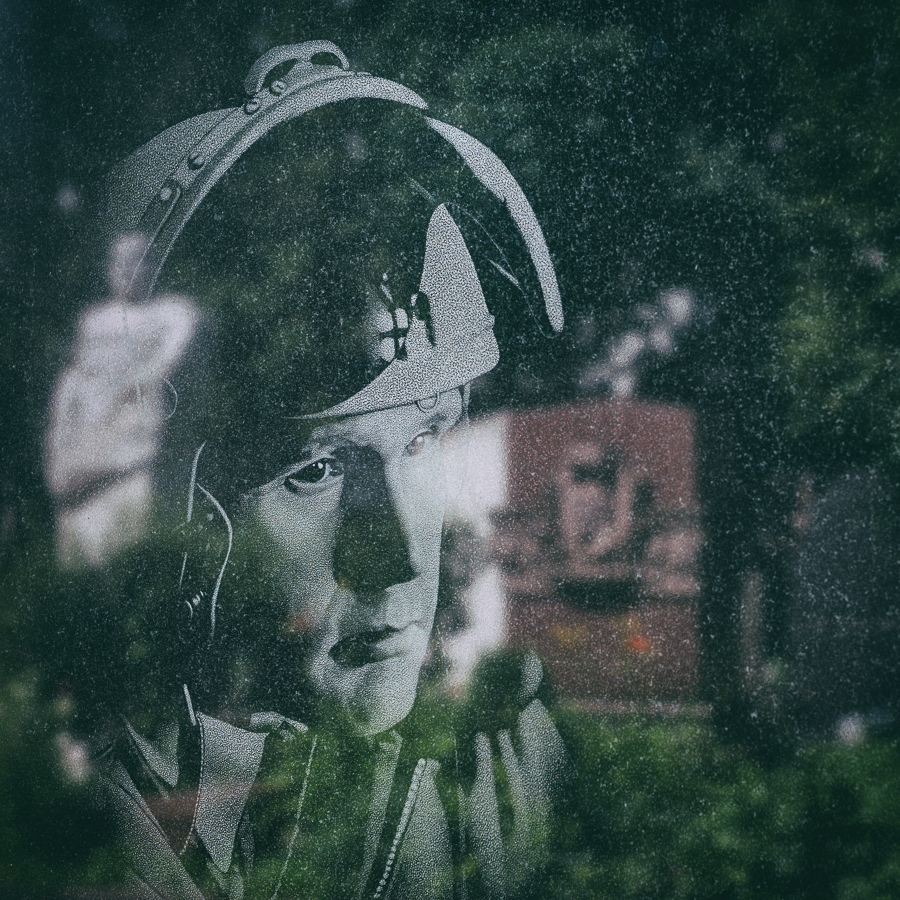
In the alleys of a Russian cemetery, the souls of heroes and artists float amidst the ethereal beauty of the flowers left long ago by the living.
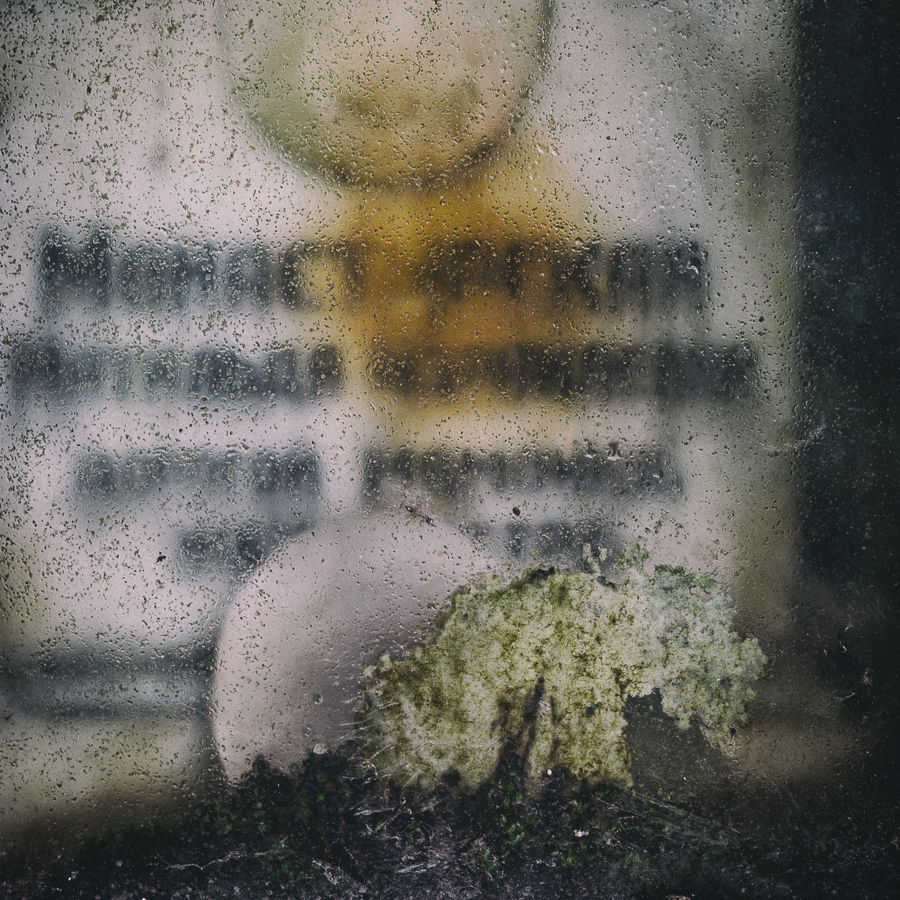
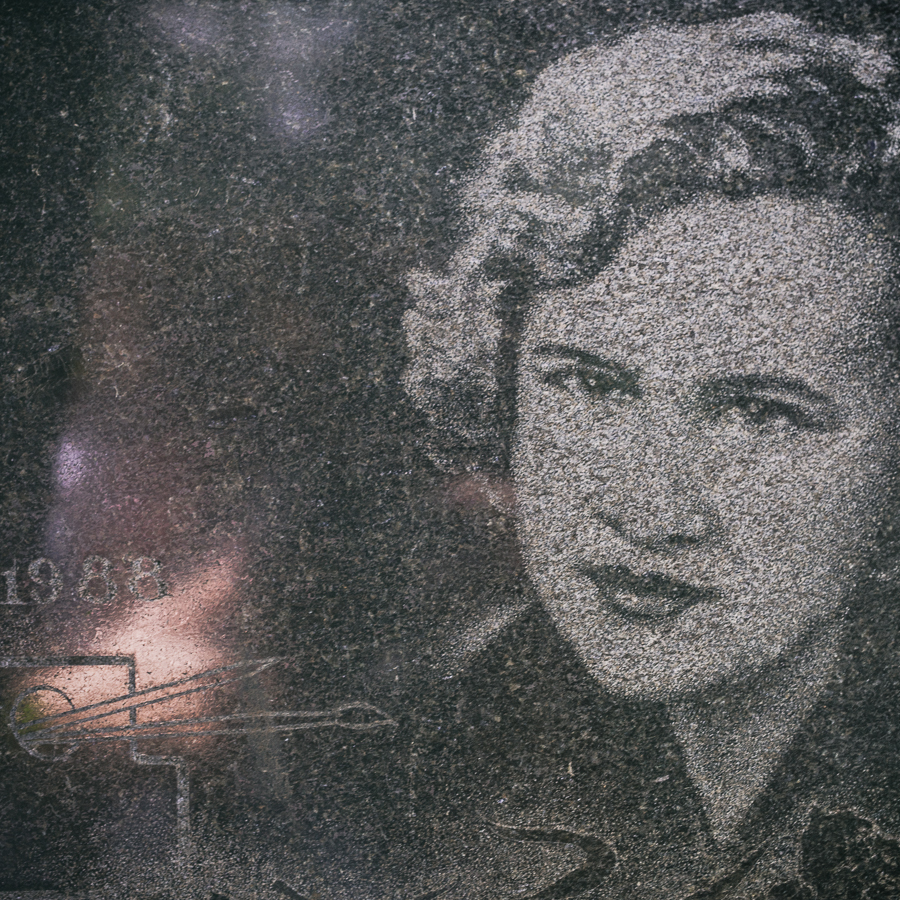
In search of the Russian Ducha, I traveled around the country, cities, suburbs and remote villages. Cemeteries tell about the history and cultural values of a society, past and recent. Russian cemeteries are fascinating: they bear the imprint of Soviet times when religious symbols were forbidden and replaced by materialistic representations of the dead.
Read more
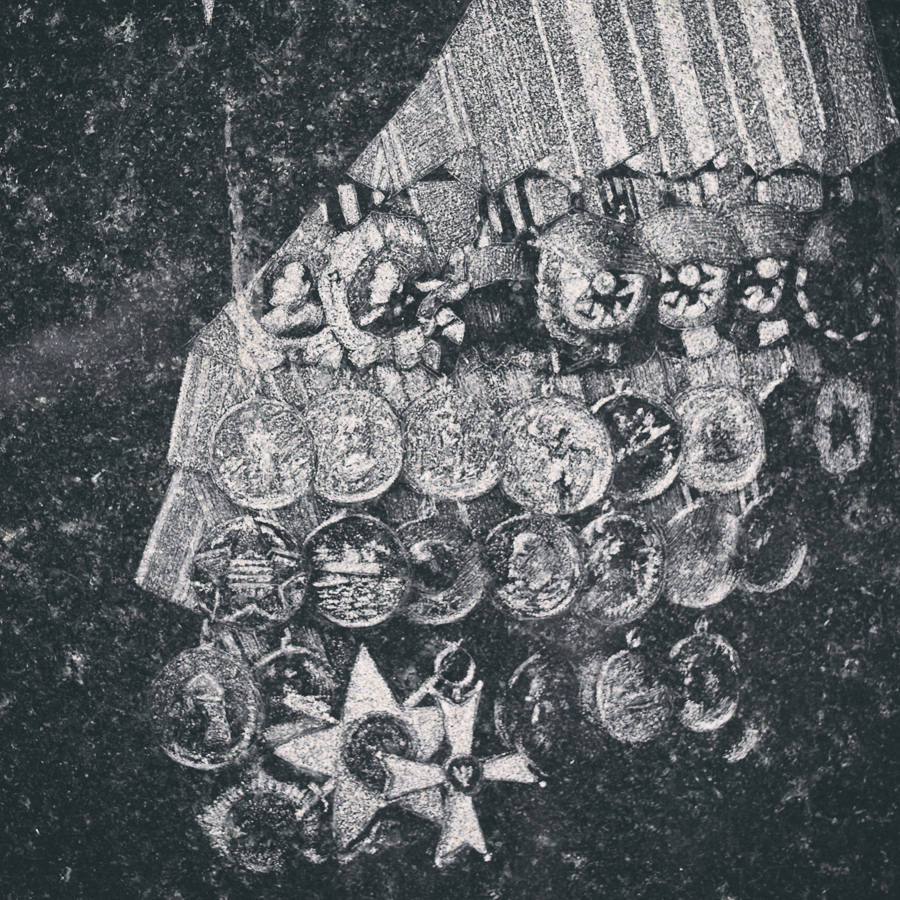
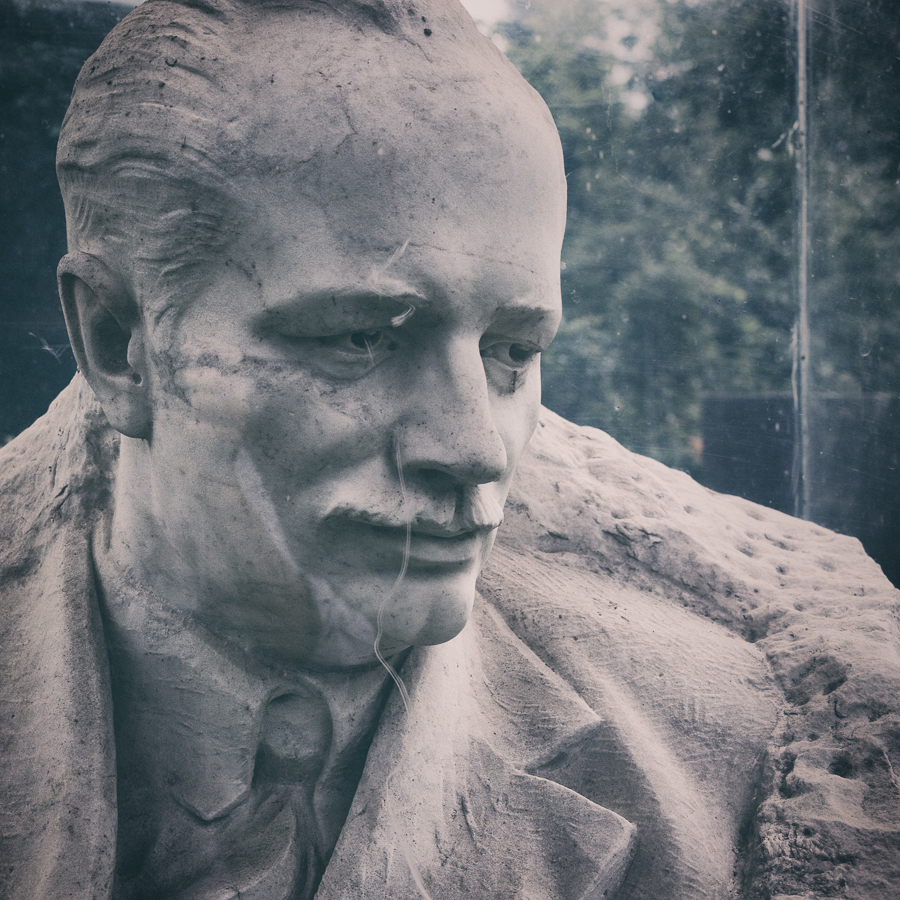
These monuments represented the deceased's professional occupation and their role in Soviet society. No crosses on the tombstones but instead, statues or engravings of the dead in full uniform — military, cosmonaut or dancer.
What started as a documentary project on cemeteries in Russia and some former Soviet republics evolved into a more poetic treatment of the subject. In Moscow, the famous cemetery of Novodievitchi, since its construction in the sixteenth century and up to the present day, has been the cemetery of heroes.
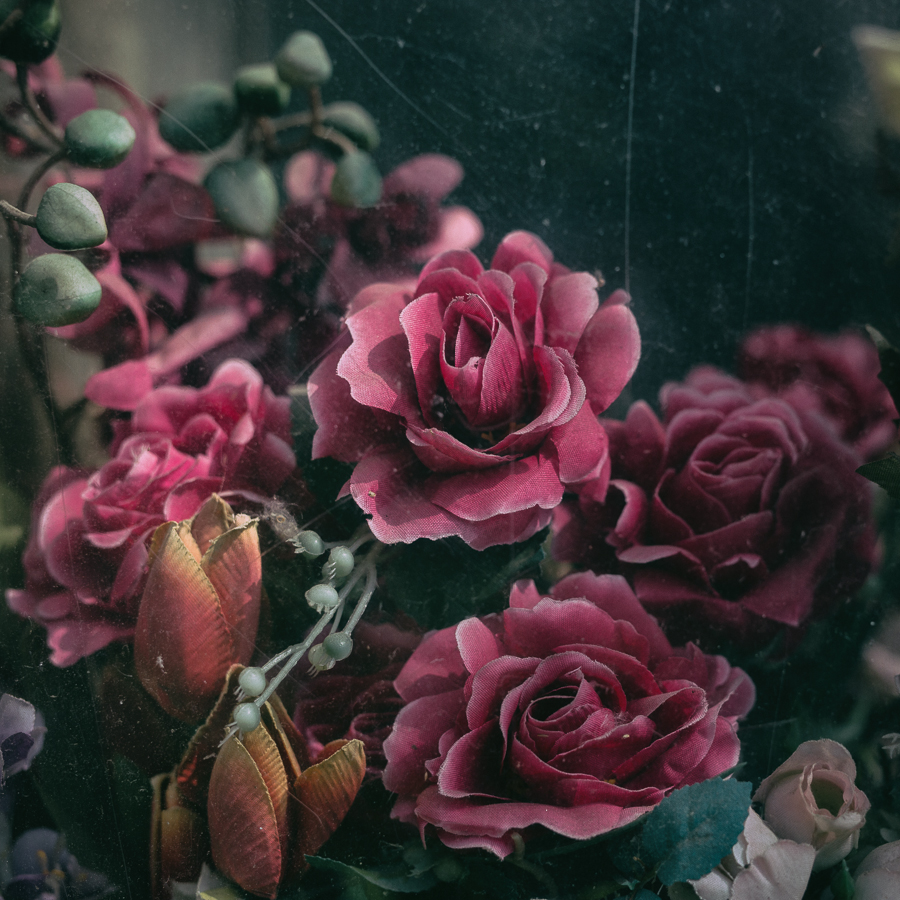
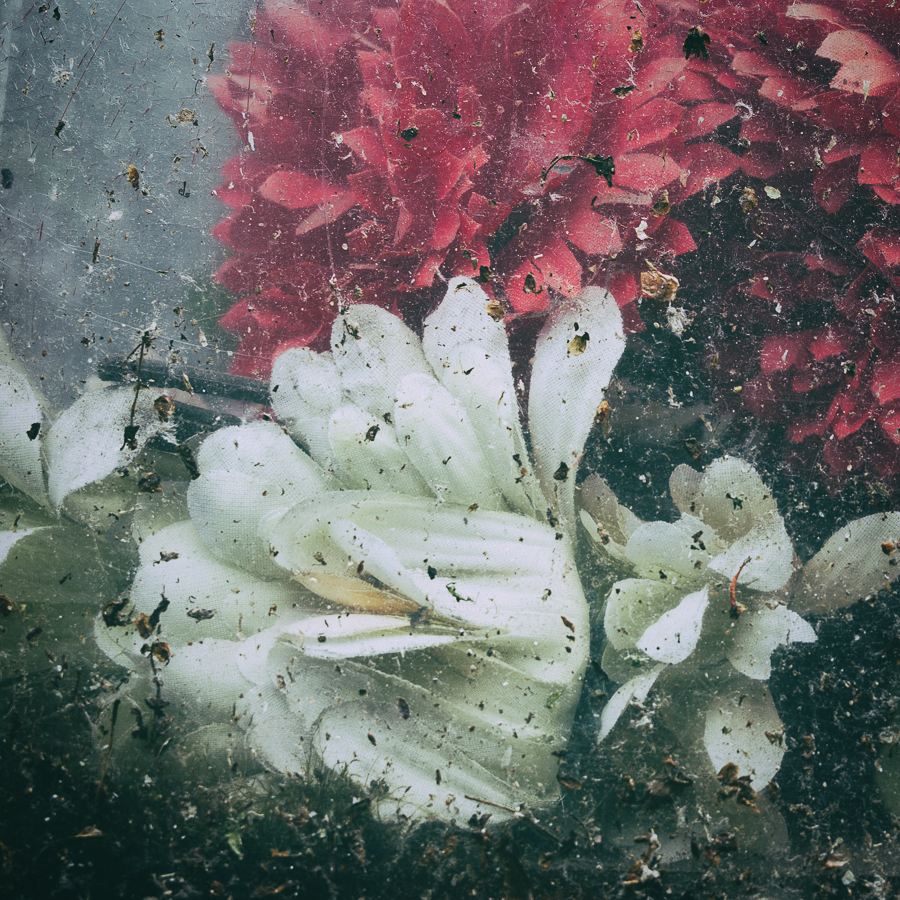
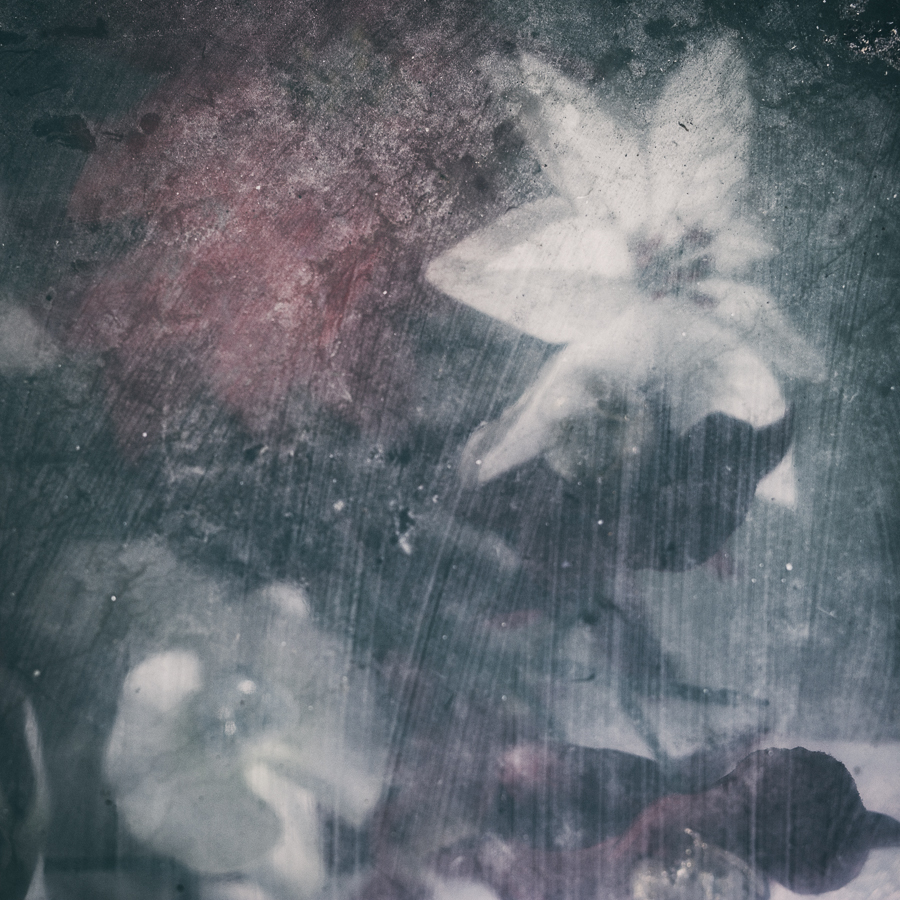
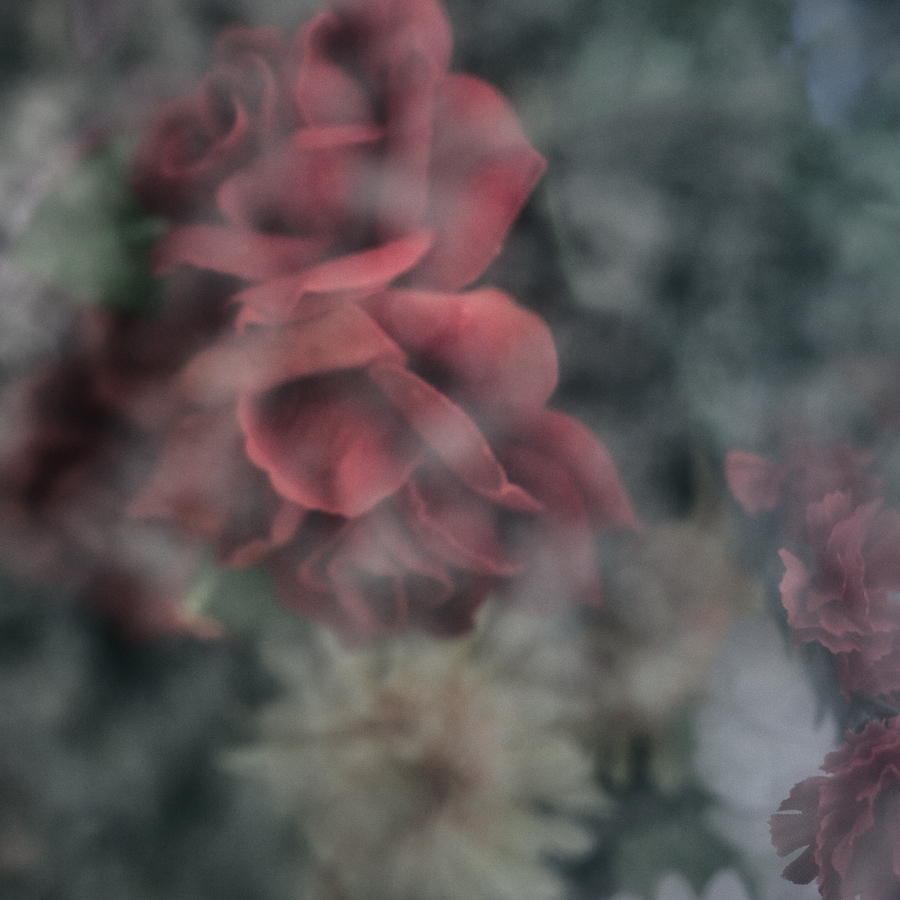
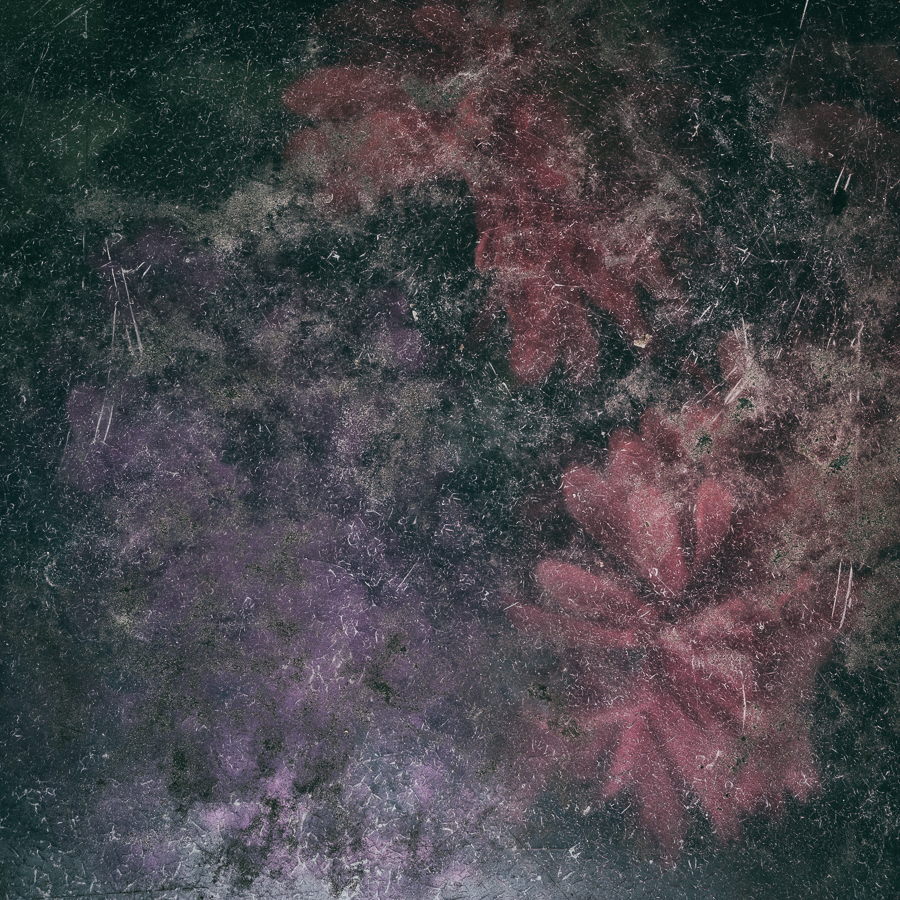
Walking around the cemetery, I could not help noticing the flowers on the tombs. In Russia flowers play a large role in the daily relationship between men and women, and by extension between the living and the dead.
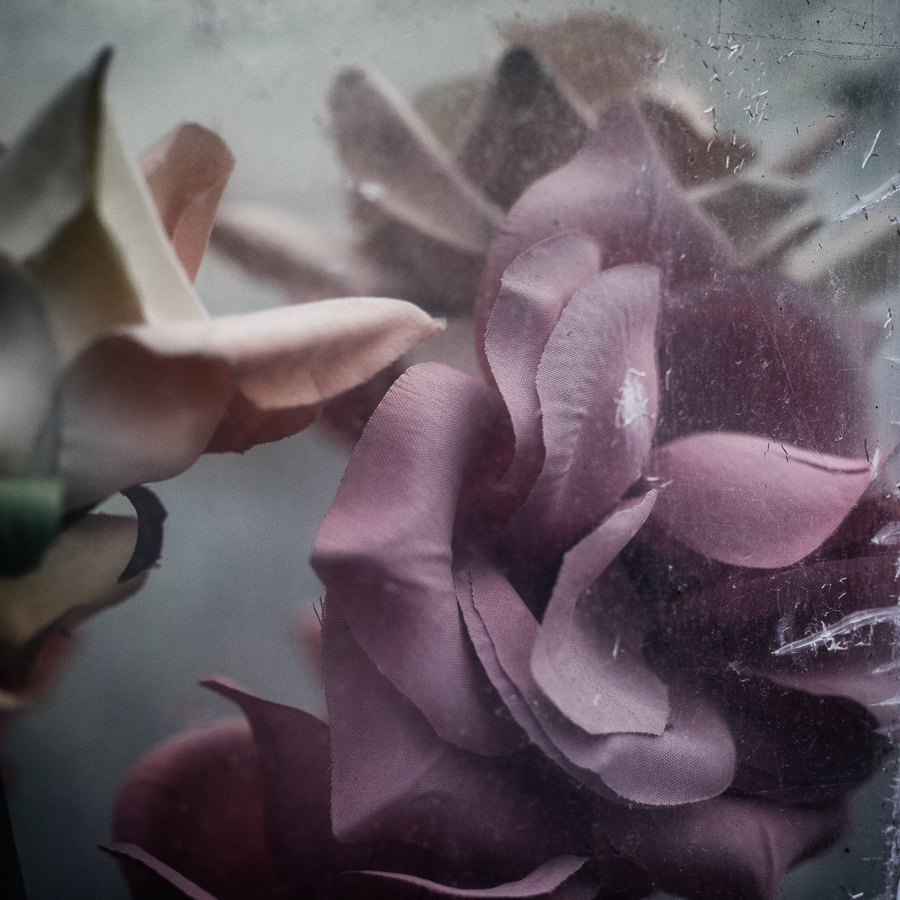
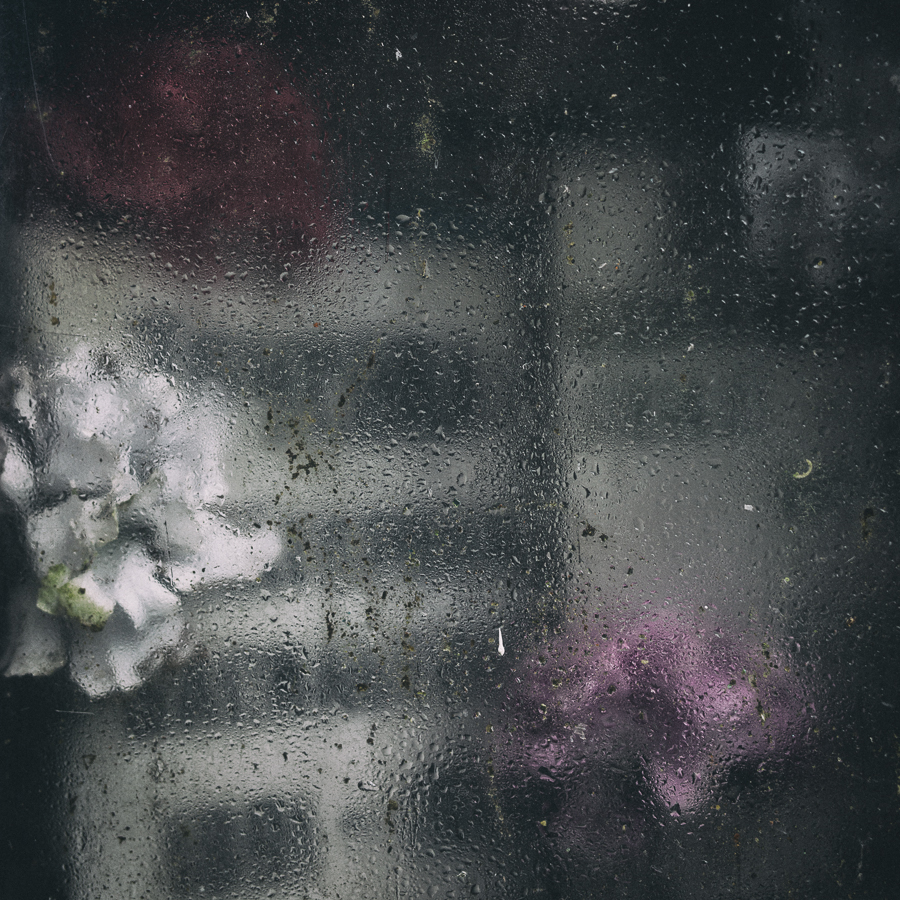
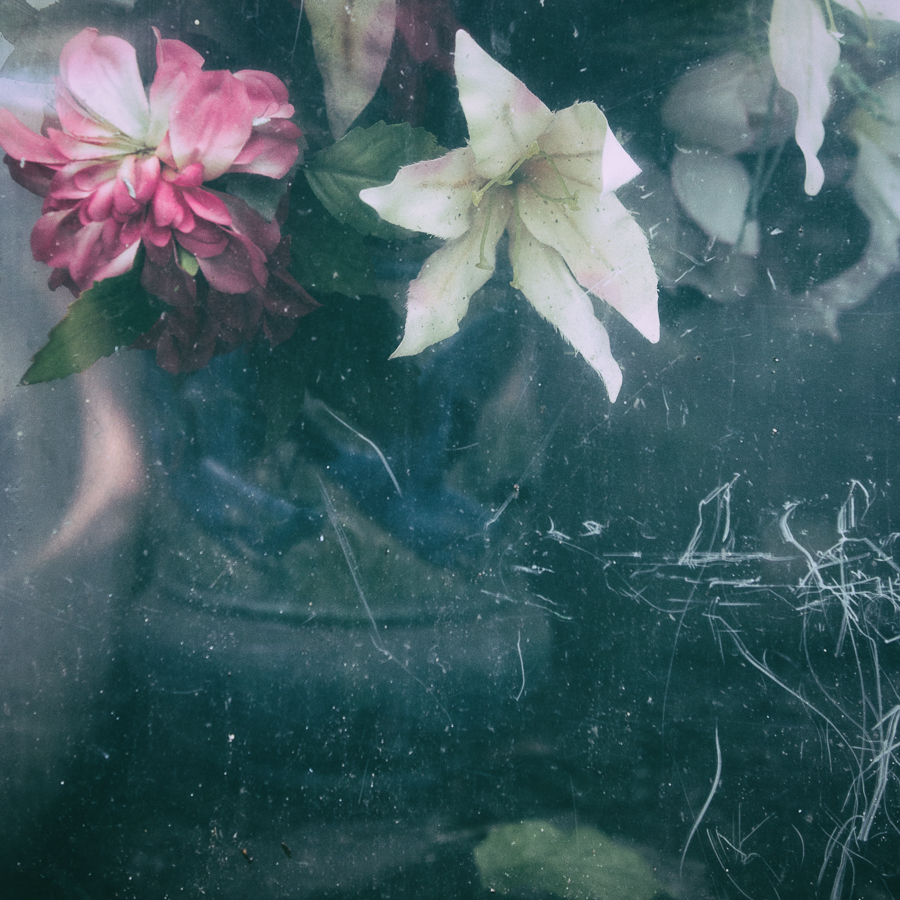
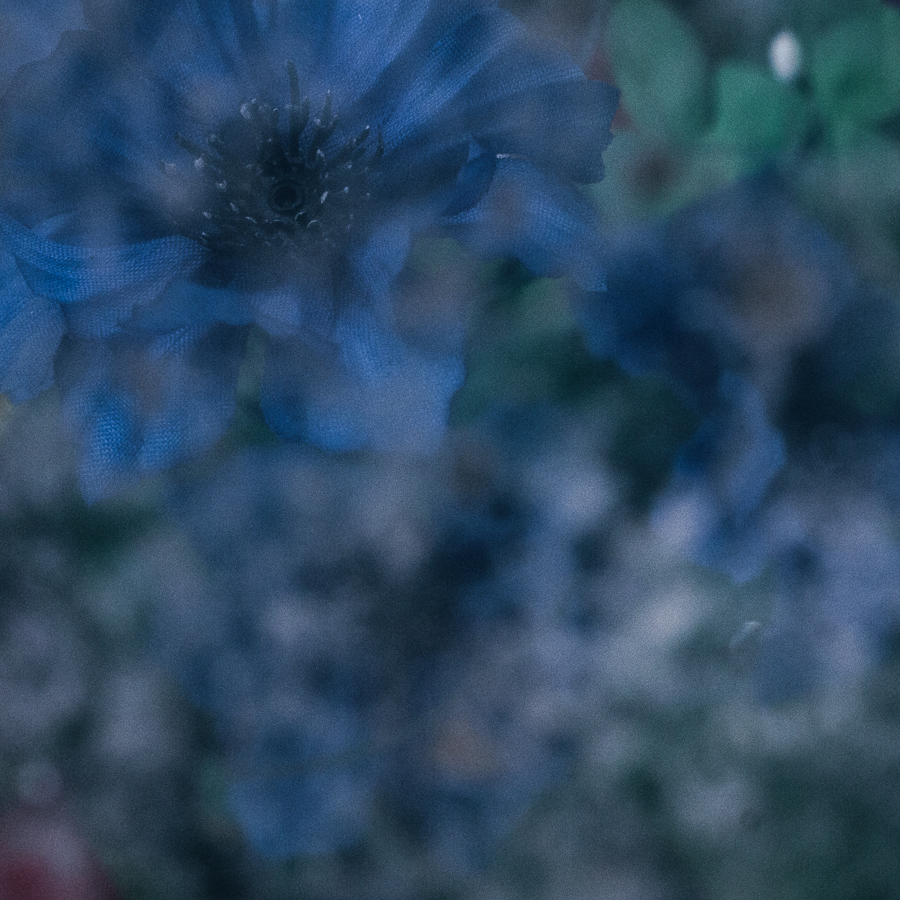
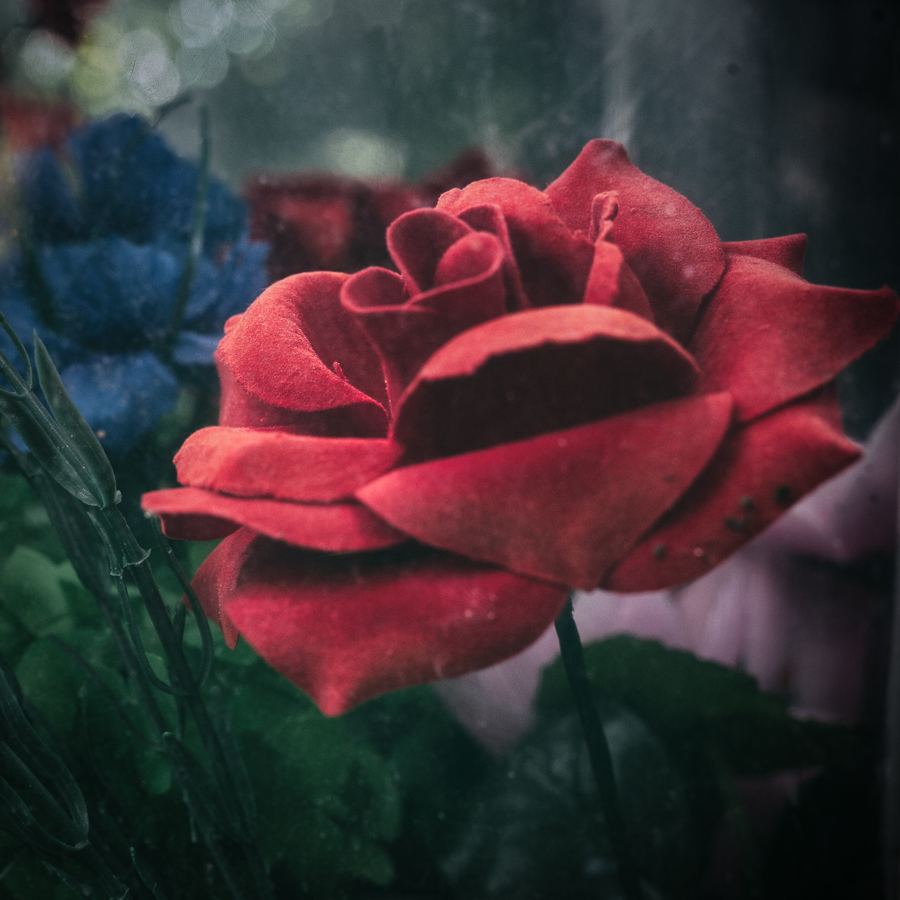
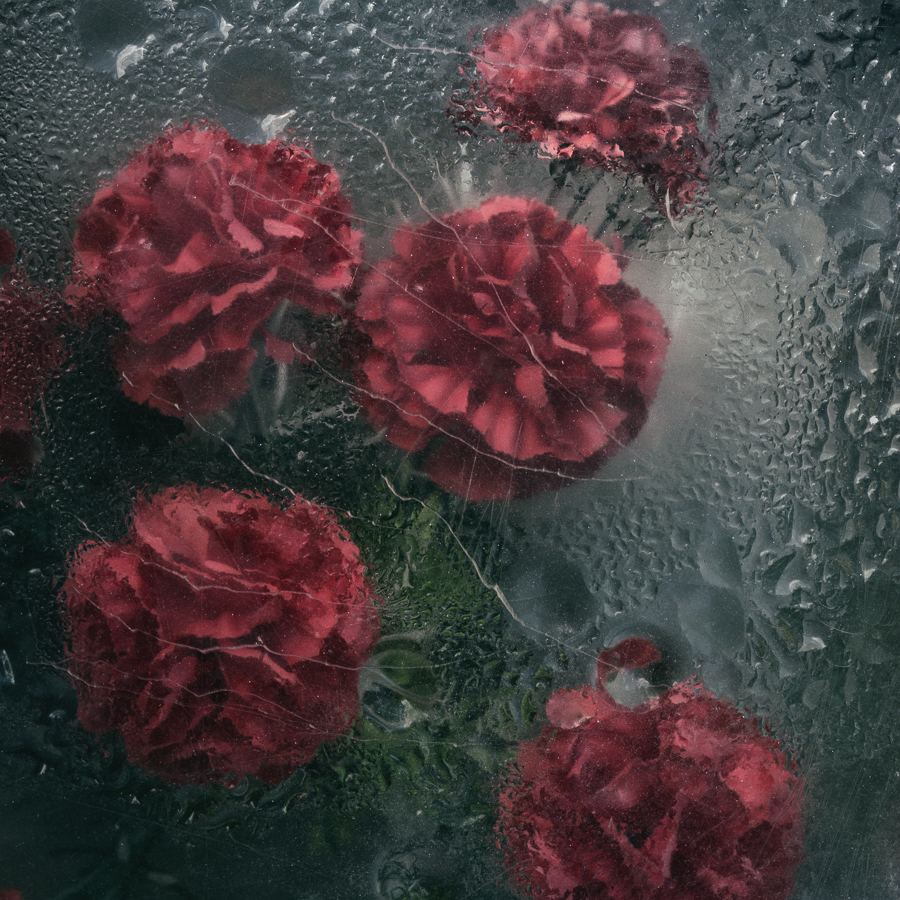
Due to the harshness of the climate, flowers in cemeteries are most often artificial and sheltered by weathered glass bells, creating a strange, surrealistic atmosphere. The power of the flowers outshined the power of the statues and monuments to the heroes. The obvious receded in front of the invisible.